


HALAL STATUS OF RED NUTS AND KEFIR
Moh. Taufiq
Spv. Quality of LPH UIN Malang
A. Explanation Regarding Red Yeast In Processed Food Ingredients
-
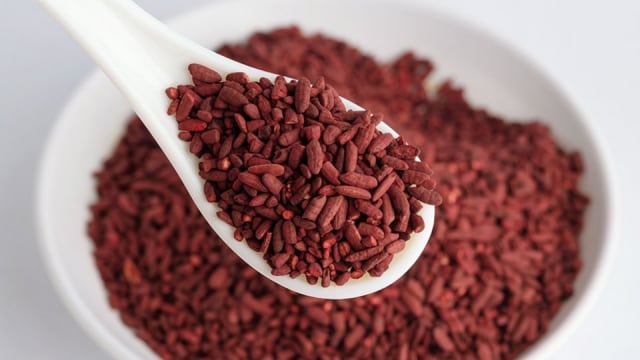
Red yeast rice is the result of fermenting rice using mold/fungus media. Monascus purpureus which gives it a red color. However, the fermentation process produces a chemical compound called citrinin, which is toxic and can harm the human kidneys and liver.
-
Based on these considerations, BPOM Regulation No. 22 of 2023 was issued, prohibiting the use of red yeast rice as a food additive. Details of the regulation can be found at the following link: BPOM Regulation 22 of 2023 on Prohibited Raw Materials in Processed Foods and BTP
-
The red yeast rice that is commonly used in food ingredients is the rice form, not the juice.
-
Regarding its use as medicine, this is permitted as long as you follow the doctor's instructions and comply with the applicable BPOM regulations regarding the use of red yeast rice as medicine.
B. Kefir Milk Law
Kefir milk derived from halal animals is considered halal. However, if other ingredients are added during processing, further research is required:
-
If the additional ingredients are halal, processed in a way that is free from uncleanness, and all the equipment used is clean and holy, then kefir is still halal.
-
If the mixed ingredients contain impurities or alcohol, then the ruling becomes haram.
C. Kefir Fermentation Produces Alcohol
This explanation refers to MUI Fatwa No. 80 of 2010 concerning Food and Beverage Products Containing Alcohol. Here are its key points:
-
Alcohol Sources: Alcohol can come from alcohol factories (which are specifically produced for alcoholic beverages) or from chemical factories (petrochemicals).
-
Prohibition of Alcohol: If alcohol from a liquor factory is added to food ingredients, then it is haram regardless of the concentration.
-
Beverage Product Terms:
-
Fermented beverage products with a minimum alcohol content of 0.5% are legally forbidden.
-
Fermented beverage products with an alcohol content of less than 0.5% are legally halal if it is not medically dangerous.
-
Non-fermented beverage products with an alcohol content of less than 0.5% which are not derived from alcohol are not legally halal, if it is not medically harmful.
-
-
Food Product Terms: For foods containing alcohol, there is no limit to the amount as long as it is not medically harmful to those who consume it (examples: cassava tape, durian, etc.).
The details of the fatwa can be seen at the following link: MUI Fatwa No. 80 of 2010
Hopefully it provides enlightenment.
Wassalamualaikum wr.wb.