



Scope of Goods Inspection
Food and Drink
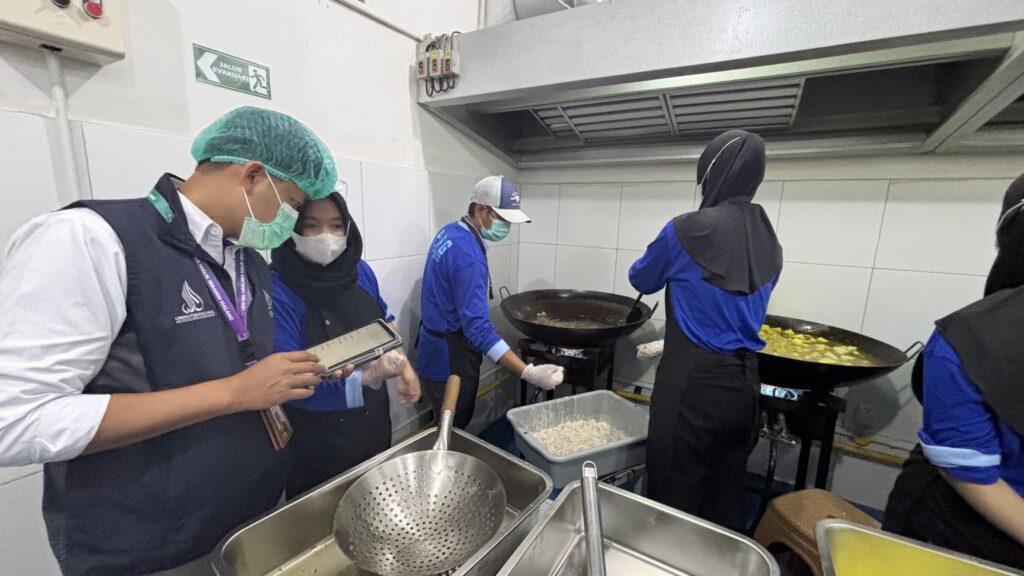
This includes all food and beverage products, whether consumed directly or processed, including ready-to-eat foods, frozen foods, and food provided by businesses such as catering establishments, food stalls, restaurants, and canteens. Examples include bread, processed meats, spices, cereals, food additives, and fats and oils.
Medicine
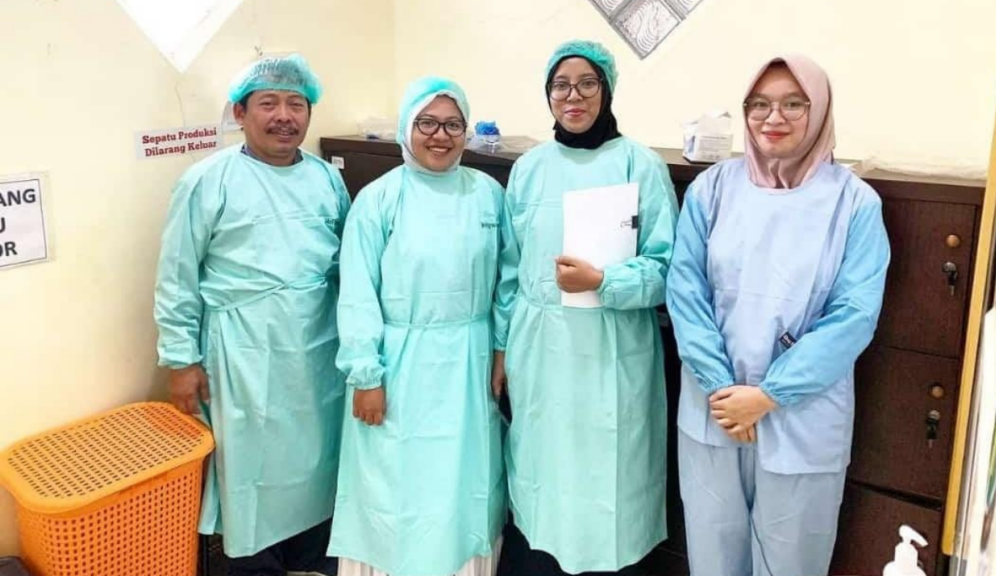
This includes pharmaceutical products used for medical treatment, both modern and traditional. This includes generic and patented drugs, health supplements, herbal medicines, as well as vaccines and injections. Inspections focus on active ingredients, excipients, and the drug manufacturing process to ensure there are no ingredients or processes that conflict with halal principles.
Cosmetics
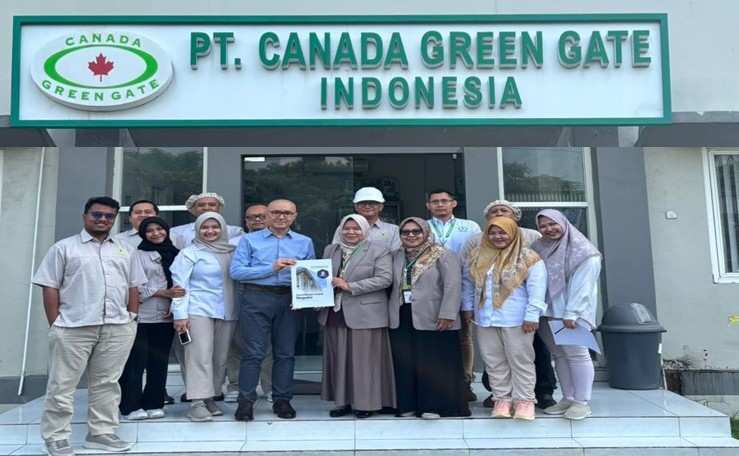
This includes items used for body, face, and hair care. These include soap, lotion, face cream, powder, lipstick, perfume, deodorant, and other makeup products. Aspects of concern include the halal nature of raw materials, the cleanliness of production equipment, and the manufacturing process' adherence to halal standards.
Chemical Products
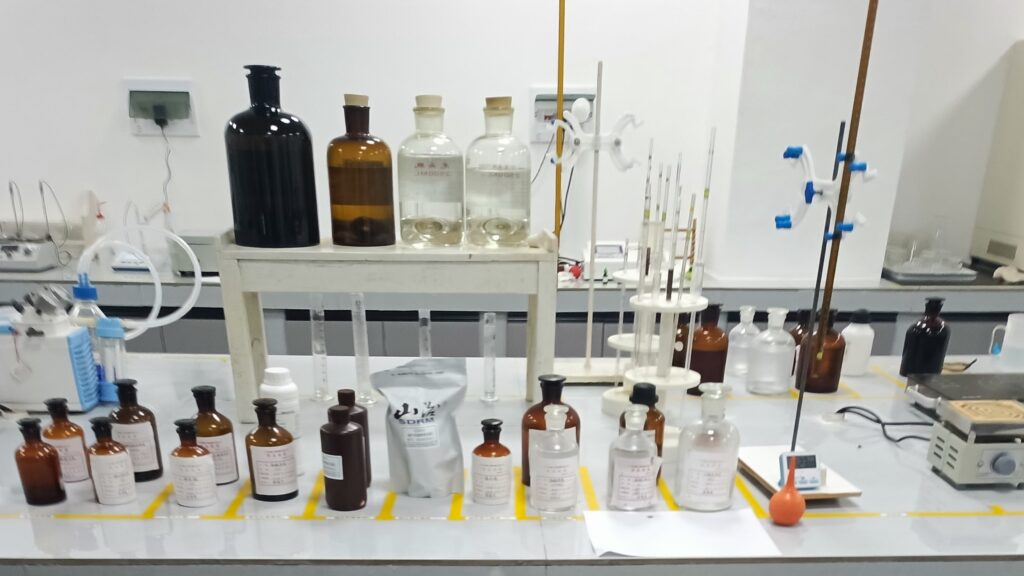
Halal certification covers chemical-based products used in everyday life and industry. Examples include detergents, laundry soaps, disinfectants, preservatives, solvents, and food and cosmetic additives. Halal certification ensures that the chemicals used are free from impure or haram elements and are not contaminated during the production process.
Biological Products

includes products derived from or involving living organisms, such as microorganisms, plants, animals, or humans. Examples include enzymes, probiotics, fermented microbes, and tissue culture products. These products are inspected to ensure their biological source is halal and their production process complies with Sharia principles.
Genetically Engineered Products
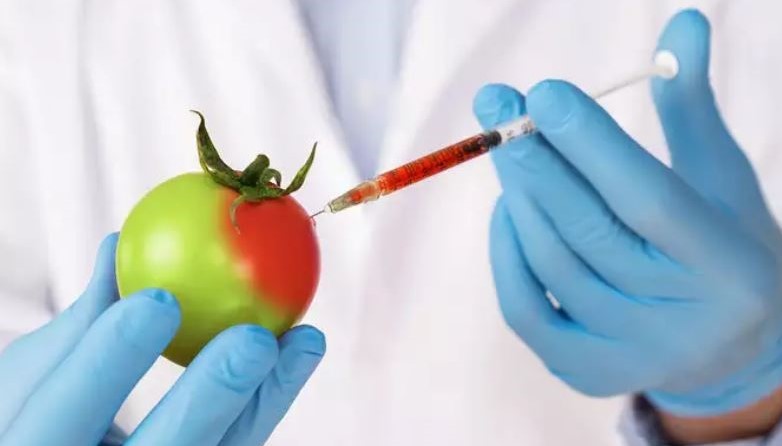
These products are derived from organisms that have been genetically modified through modern biotechnology. Examples include genetically engineered plants such as corn and soybeans, enzymes from engineered microbes, and biotechnology-based drugs or vaccines. Inspections assess the origin of the genetic material and the genetic manipulation process to ensure there are no violations of halal principles.
Goods that are used or utilized by the community
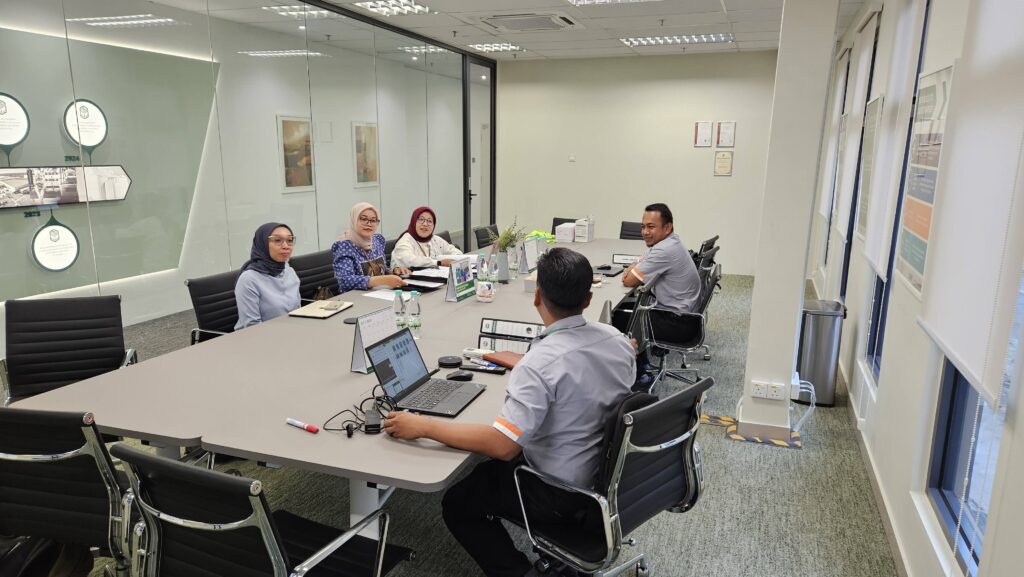
This includes products that are not consumed but are used or utilized by people in their daily lives and have the potential to come into contact with the body or food. Examples include eating and drinking utensils, cosmetic products such as brushes and sponges, prayer items such as prayer mats and prayer robes, medical devices such as syringes, and other household products. Inspections focus on the raw materials and production process to ensure they do not contain any haram or impure elements.
Scope of Service Inspection
Slaughtering Services
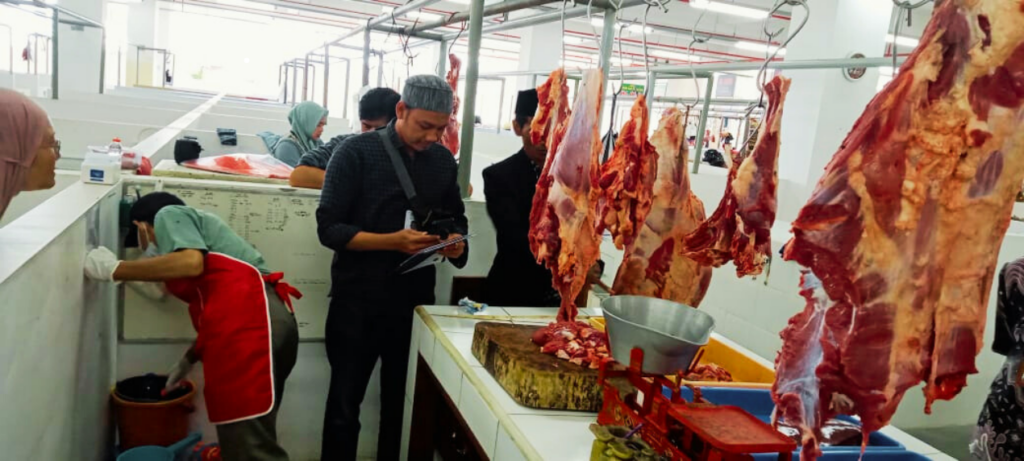
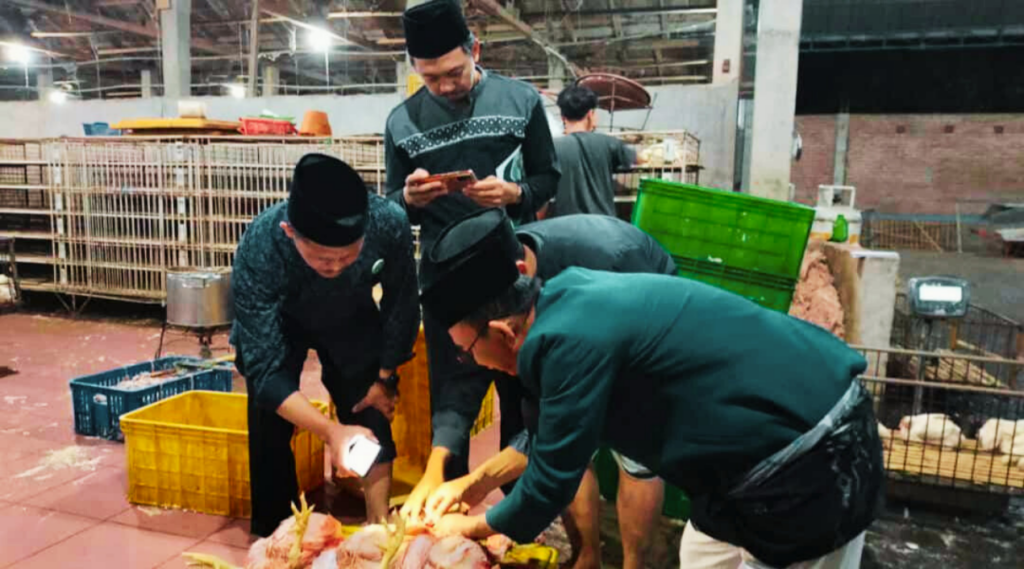
includes slaughtering services at the Ruminant (cow, goat) and Poultry (chicken, duck, etc.) RPH, with a focus on slaughtering methods, tools used, slaughterer competence, as well as cleanliness and sanitation of the slaughtering area to ensure that each animal is slaughtered properly, is not tortured, and still meets halal principles.
Processing Services
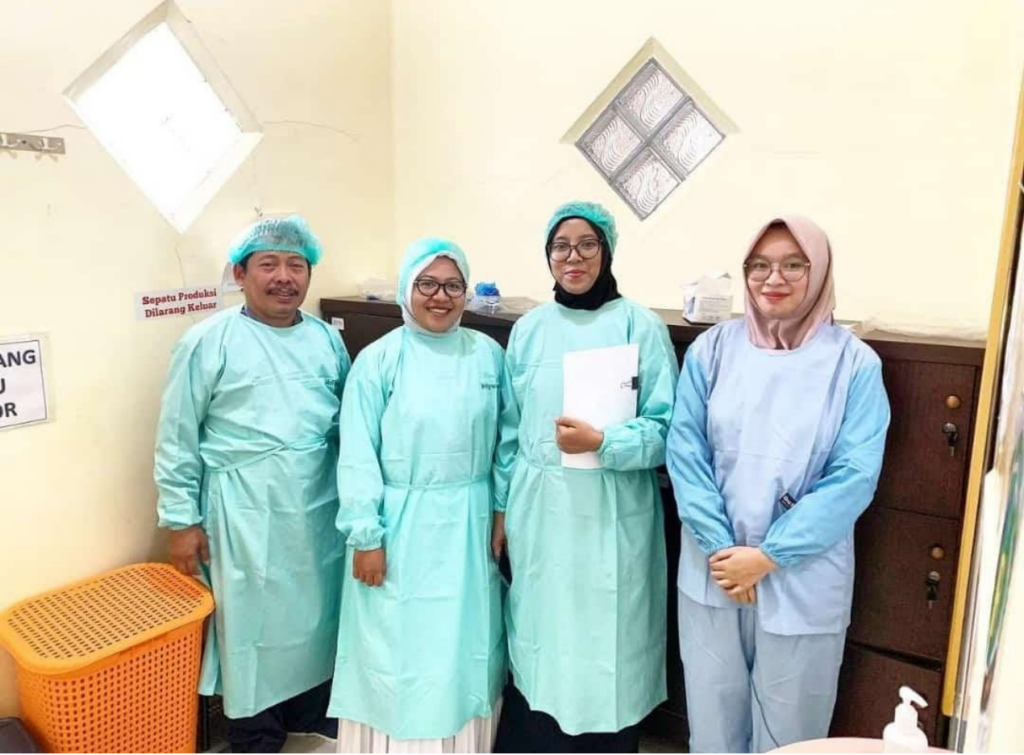
Inspection encompasses all production activities that transform raw materials into finished products. Examples include processing beef into sausages, processing chicken into nuggets, or processing milk into cheese. Inspections focus on raw materials (free from haram elements), production equipment and machinery (free from impurities), and the possibility of cross-contamination.
Storage Services
This includes the storage locations and methods for halal materials and products to prevent them from mixing with haram or impure materials. Examples include food raw material warehouses, cold storage for meat, and halal cosmetics storage areas. Good organization, cleanliness of the space, and physical separation of halal and non-halal products are the primary focus.
Packaging Services
This includes the use of halal product containers or wrappers. Examples include plastic packaging for frozen food, bottles for beverages, or boxes for cosmetic products. Inspections include packaging materials (free from impure substances), the cleanliness of the packaging process, and the clarity of the halal product label, including the certification number and halal logo, if available.
Distribution Services
concerns the process of sending products from producers to consumers or to places of sale, including the transportation of frozen meat from slaughterhouses to supermarkets, or the distribution of halal cosmetics from factories to shops. Includes transportation and distribution of halal products, by ensuring vehicles are clean and not used interchangeably with haram products without cleaning.
Sales Services
This includes the location and method of selling halal products to consumers. Examples include minimarkets selling halal-certified products, halal cosmetics stores, or supermarkets. The inspections focus on separating halal and non-halal products on shelves, cleanliness of the premises, and the conformity of product label information.
Serving Services
Halal certification involves serving halal products to end consumers, such as in restaurants, cafes, hotels, or canteens. Examples include restaurants serving halal-slaughtered chicken or cafes using halal-certified beverage ingredients. Inspections are conducted on the serving process, the cleanliness of the tableware, and staff training in maintaining the halal quality of the products served.